



When Leadership Faces the Fire
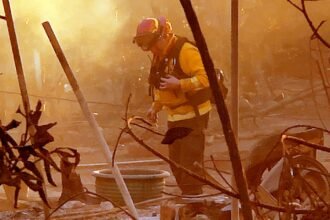
As Southern California marks one year since the Palisades Fire forever altered lives along the coast and canyon ridgelines, the memory of that week still hangs heavy in the air. The fire took 12 lives, erased entire neighborhoods, and left thousands of families searching for a sense of home amid ash and debris. Now, with the anniversary approaching, the city is hearing a rare and sobering message from the top of the Los Angeles Fire Department: an admission that leadership failed, and that the cost of those failures was devastating.
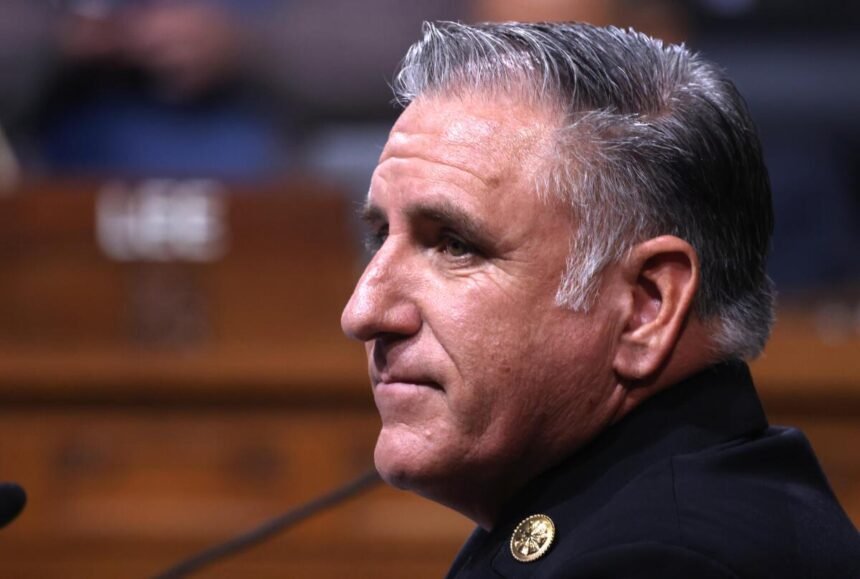
Newly appointed Fire Chief Jaime Moore stepped before the public this week not to defend the department’s reputation, but to confront its shortcomings. In a city accustomed to carefully worded statements and political distance, Moore’s remarks stood out for their directness. He made clear that frontline firefighters were not to blame for the tragedy. Instead, he pointed to deeper issues embedded in leadership decisions, outdated systems, and long standing structural constraints that shaped how the fire was handled.
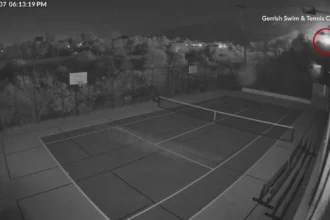
At the center of the reckoning is the Lachman Fire, which first ignited on New Year’s Day 2025 and later reignited into the catastrophic Palisades Fire. Moore acknowledged that the department’s mop up and verification procedures were not strong enough to ensure the blaze was fully extinguished. In wildfire country, where wind and dry brush can turn a single ember into an inferno, that admission carries enormous weight.
Perhaps most striking was Moore’s candor about the official after action report released in the months following the fire. According to the chief, multiple drafts of the report were edited to soften language and reduce explicit criticism of department leadership. In other words, the document meant to provide accountability and clarity was, at least in part, shaped to protect those at the top. For residents who lost loved ones, homes, and livelihoods, that revelation may sting as sharply as the fire itself.
Since then, Moore says the department has implemented roughly three quarters of the recommendations outlined after the disaster. Among the most significant changes are revamped mop up and post fire verification procedures, including expanded use of drones and thermal imaging to detect lingering hot spots. The department has also revised how it incorporates weather data into incident decision making, aiming to anticipate dangerous fire behavior sooner and deploy resources more strategically.
Yet progress does not erase grief. This week, several events are scheduled across Los Angeles to honor the victims of the Palisades Fire. These gatherings are not about policy or percentages. They are about names, faces, and families who wake each day with a loss that no report can fully measure.
Moore has not taken questions from reporters, and he has avoided one on one interviews. Some may see that as a missed opportunity for transparency. Others may see his public acknowledgment as a first step in rebuilding trust. In a city shaped by fire, earthquakes, and the constant pressure of growth, trust in institutions is fragile and hard won.
The Palisades Fire will be remembered as one of Southern California’s most painful chapters. What remains to be seen is whether this moment of honesty becomes a turning point, one where leadership learns from failure and commits to change not just in words, but in lasting action. For the communities still rebuilding, that commitment may be the most important promise of all.