


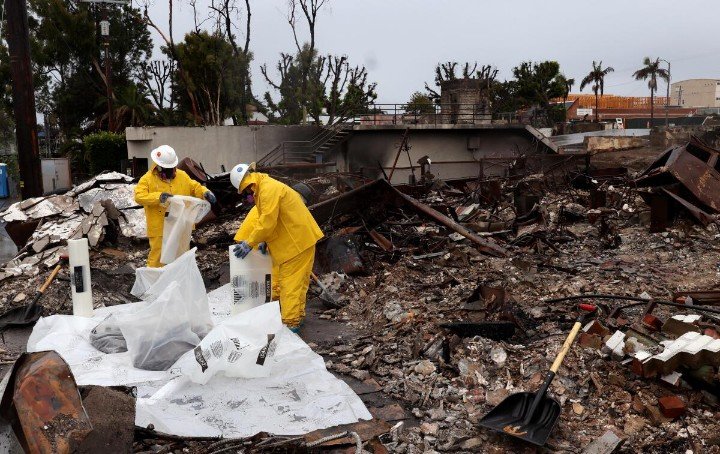
The long and anxiety-filled wildfire season across Southern California may finally be nearing its conclusion. According to analysts from the U.S. Forest Service and local meteorologists, the heavy rains that recently swept the region have significantly dampened the vegetation and reduced the fire-fuel load — meaning major out‐of‐control fires are less likely until the spring of 2026.
In detail:
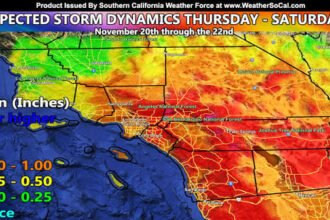
Experts say that with sustained rainfall, the grasses and brush that typically dry out and fuel fires have been temporarily saturated. This shifts the region away from the “Red Flag” fire risk stage for the time being.
Fire-season alerts and red‐flag warnings are expected to ease across the lowlands, foothills and coastal ranges—at least until late summer or early fall when the dry-season winds (notably the Santa Anas) return.
That said, officials caution that this lull is not permanent. Even with rains, the risk of wildfires will rise again once plants dry out — meaning communities must remain prepared.
Why this matters: Southern California’s fire threat isn’t only about immediate danger — it’s also about long-term infrastructure, home-construction in fire-prone zones, evacuation planning, insurance and habitat recovery. With this window of reduced risk, it could be a critical time for communities to bolster their resilience.